Gold prices steadied near a one-and-a-half-month low on Wednesday, as high Treasury yields and a firm dollar almost offset the optimism surrounding a potential U.S.-Iran peace agreement. Spot gold was at $4,481.48 per ounce, as of 0744 GMT, after earlier falling to its weakest level since March 30. U.S. gold futures for June delivery lost 0.6% to $4,483.70.
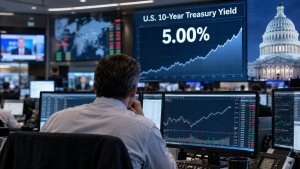
Get the latest news from India and how it matters to the world with the Reuters India File newsletter. Sign up here. "Gold is running out of puff somewhat against this backdrop of rising yields, and a dollar which has a spring in its step courtesy of the hawkish shift in the rates outlook," said Tim Waterer, chief market analyst at KCM Trade. The dollar hovered at a six-week high, making greenback-priced bullion more expensive for holders of other currencies. Benchmark 10-year U.S. Treasury yields were steady at a more-than-one-year high, raising the opportunity cost of holding non-yielding gold. U.S. signals on Iran remained mixed. Vice President JD Vance said both sides were making progress and did not want a return to conflict, while President Donald Trump warned Washington may still need to strike Tehran. Philadelphia Federal Reserve Bank President Anna Paulson said the current level of interest rates is appropriate for the moment, putting downward pressure on inflation at a time when price pressures remain elevated. She, however, said it was "healthy" that investors had begun considering scenarios where rates might need to rise. The Federal Reserve will avoid cutting rates this year, according to most economists polled by Reuters who largely pushed long-held calls for reductions into 2027 on hopes the current inflation flare-up is temporary. Investors are waiting for minutes from the Fed's April policy meeting, due later in the day, to gauge the U.S. central bank's monetary policy outlook.
Spot silver rose 1.6% to $75 per ounce, platinum gained 0.7% to $1,934.80, and palladium was up 1.8% to $1,378.25.