
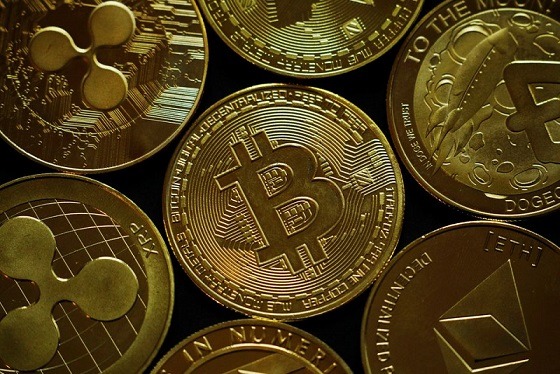
Bitcoin (BitfinexUSD) fell towards $67,000 on Sunday, as a combination of macroeconomic pressures and global uncertainty pushed market sentiment into "Extreme Fear" territory. The leading cryptocurrency slipped 0.85% to trade near $67,127.9 at 01:49 ET (06:49 GMT), dragging the broader crypto market capitalization down.
Upgrade to InvestingPro for a deeper dive into market-moving news Despite the decline, the dip is being framed by some analysts as a strategic entry point ahead of the upcoming halving event, a supply-tightening catalyst that has historically preceded significant rallies.
Institutional accumulation vs. retail fear The current market downturn has driven the Crypto Fear & Greed Index to a "chilling" reading of 12, its lowest level since the October crash. The extreme bearishness among retail participants contrasts with reports of "smart money" behavior, as Bloomberg insights suggest that major financial players are quietly accumulating Bitcoin during the slide.
ETH/USD also mirrored the decline, dropping 1.34% to $1,946.57, but the daily trading volumes remain robust at $61.44 billion, indicating that liquidity has not dried up despite the prevailing anxiety.
The halving catalyst and $60,000 support The immediate focus for investors remains whether Bitcoin can maintain its footing above the $60,000 support level or if the current "Extreme Fear" will trigger a deeper correction. The looming halving event, which will reduce the daily issuance of new coins, can act as a primary bullish counter-narrative to the current macro-driven volatility.
Bitcoin has seen massive intra-week swings, but its net movement over the past three weeks remains virtually flat, oscillating between a February low of $60,000 and the recent March peak.
If the current supply of "underwater" holders, those who purchased at higher levels, can be absorbed by institutional demand, the market may set the stage for a rebound toward the $74,000 resistance mark. However, interest rates remain a headwind and the path to recovery likely hinges on a stabilization of the broader geopolitical landscape


