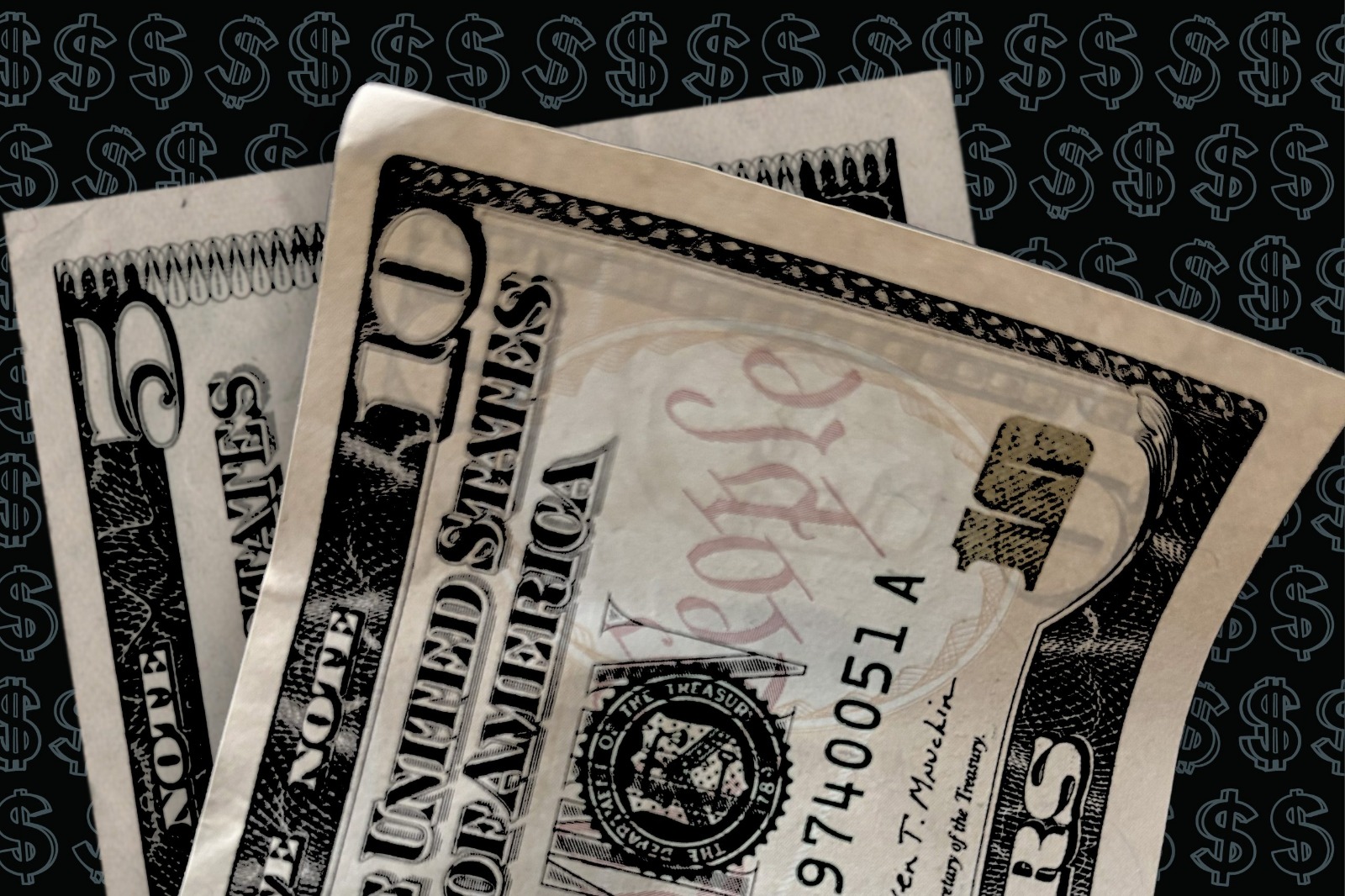
The U.S. dollar edged down on Tuesday, but the currency was on pace for its largest monthly gain since July 2025 amid its status as a safe haven of choice during the ongoing Middle East conflict.
The U.S.-Israel war on Iran has lasted more than a month and has led to spiking oil prices, stoking inflationary fears across the globe and concerns over a hit to economic growth.
At 17:47 ET (21:47 GMT), the US Dollar Index, which tracks the greenback against a basket of six major peers, dropped 0.6% to 99.96. The gauge is set for a March advance of 2.4%.
Track the U.S. dollar with InvestingPro - now 50% off Dollar slips as traders pile into equities Market participants flocked to risky equities on Tuesday on renewed Iran de-escalation hopes.
Sentiment was lifted by a report that President Donald Trump was considering ending military operations against Iran and comments from the Iranian president indicating that the country was "prepared to end" the war if security guarantees were offered.
The WSJ report said Trump had told his aides that he was open to exiting the war even if the critical Strait of Hormuz remained shut, as a mission to reopen the vital waterway would increase the conflict’s timeline beyond the U.S. target of four to six weeks.
Later, Iran’s state TV said the country was prepared to end the war if given guarantees against further attacks, quoting president Masoud Pezeshkian.
Fluctuating interest rate expectations With oil prices surging due to supply disruptions from the closure of the Strait of Hormuz, the potential inflationary shock has led investors to sharply recalibrate their expectations for interest rate cuts from central banks, and even increase their odds for rate hikes.
Higher rates for longer tend to strengthen the dollar, making it an attractive safe haven asset during the current Middle East conflict. The dollar has also been boosted by the U.S. being a net energy exporter and by a rush for cash.
Federal Reserve Chair Jerome Powell on Monday said longer-term inflation expectations still remained well anchored despite any short-term pressures. The central bank chief added that the right move was to look past the oil supply shock.
"Jay Powell’s ’dovish’ comments yesterday aside, the natural language processing (NLP) models used by Bloomberg to measure the hawkish/ dovish tone in Fed communications indicate that the Fed turned more hawkish at the start of 2026 and stayed more hawkish into end-March. The same is true of the ECB and BoE," Thierry Wizman, global FX & rates strategist at Macquarie, said, referring to the European Central Bank and the Bank of England.
"While bond yields declined yesterday, that they would do so because DM central bankers are about to go ’dovish’ goes against the trend of CB rhetoric of the past few weeks, Powell notwithstanding. While we can’t rule out the prospect of a U.S. recession if oil prices stay high, we would discount the prospect that the Fed (or other major DM central banks) are about to turn dovish again, or that they would abandon their hawkish rhetoric of the past four weeks before oil prices recede," Wizman added.