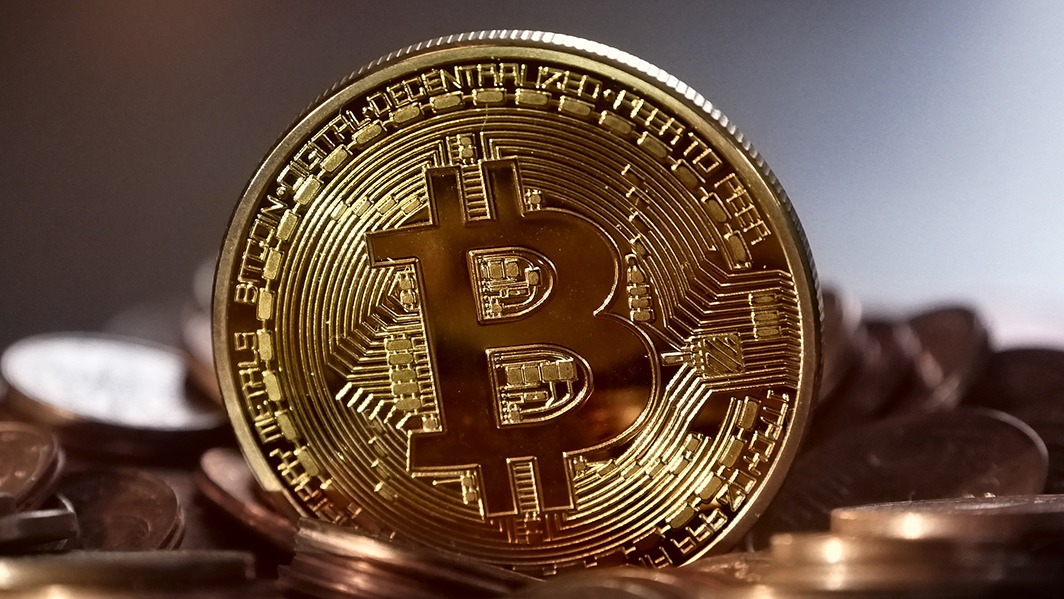
Bitcoin ticked higher on Tuesday, swept up in a boost to risk assets from a renewed bout of Middle East de-escalation hopes. The world’s largest crypto was also headed for an advance in March and was set to snap a five-month losing streak.
At 18:04 ET (22:04 GMT), Bitcoin rose 2.1% to $68,197.3.
Get more key price insights on Bitcoin and the Iran war by subscribing to InvestingPro
Iran war rages on, report says Trump considering de-escalation The U.S.-Israel war on Iran showed little sign of de-escalation on Tuesday, as strikes between Iran and its surrounding Gulf countries continued.
But President Donald Trump may be considering an end to U.S. military involvement in Iran while leaving the Strait of Hormuz blocked, the Wall Street Journal reported. Trump’s consideration comes as the Iran war threatens to stretch beyond his initial four-to-six-week time frame.
While such a move could point to some cooling of tensions in the conflict, the continued blockage of the strait is expected to keep energy supply disruptions largely in play. This could in turn spur energy-fueled inflation and keep global monetary policy restrictive – a trend that bodes poorly for speculative assets such as crypto.
Iran’s press TV later on Tuesday said the country was "prepared to end" the war if offered security guarantees, citing president Masoud Pezeshkian.
Google researchers flag a quantum threat to crypto security
Elsewhere, Google researchers said that advances in quantum computing could crack the encryption standards protecting cryptocurrencies and other digital infrastructure sooner than previously expected, with future quantum machines potentially needing fewer computational resources than earlier research had suggested to break widely used cryptographic systems.
The team said on Tuesday that future quantum computers may be able to break elliptic curve cryptography — a cornerstone of modern digital security — using fewer qubits and computational steps than earlier estimates suggested.
"We want to raise awareness on this issue and are providing the cryptocurrency community with recommendations to improve security and stability before this is possible, including transitioning blockchains to post-quantum cryptography (PQC), which is resistant to quantum attacks," the researchers said in a blog post.
Elliptic curve cryptography sits at the heart of major blockchain networks, digital wallets, and much of the internet’s security architecture. A quantum machine powerful enough to exploit these weaknesses — an event the industry calls "Q-Day" — could leave encrypted data, financial systems, and digital identities exposed.
Bitcoin heads for muted March, altcoins mixed Bitcoin was set for a modest gain in March. While the world’s largest crypto did rise as high as $75,000 in the month, it swiftly settled back into a trading range seen through most of the year.
Bitcoin did fare better than gold in March, as the yellow metal logged its worst monthly performance in nearly two decades. But gold was still higher for the year, while Bitcoin was down about 22% YTD.