Oil prices rose sharply in Asian trade on Tuesday, with Brent remaining above $100 a barrel as concerns over supply disruptions stemming from the U.S.-Israel war on Iran remained largely in play.
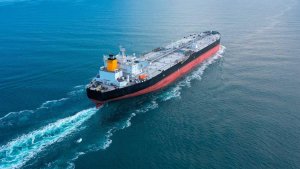
Crude prices recovered after a 5% drop in the prior session, as reports showed some vessels having successfully passed through the Strait of Hormuz. But the shipping lane still remained largely blocked, and U.S. calls for allied help in policing the strait were also mostly rebuffed.
Brent oil futures rose 2.8% to $103.01/barrel by 00:58 ET (04:58 GMT), while West Texas Intermediate crude futures rose 2.6% to $95.54/barrel.
Get more key price insights and analysis on oil by subscribing to InvestingPro
Iran conflict rages on, Hormuz crossings limited Hostilities between the U.S., Israel, and Iran showed few signs of easing on Tuesday as the conflict entered its third consecutive week.
Iran threatened to hit U.S.-affiliated industries in the Middle East, after the U.S. and Israel last week attacked Kharg Island, a key export terminal for the Islamic republic.
Iran and Israel traded air strikes in the early hours of Tuesday, with drones and rockets also being fired at a U.S. embassy in Baghdad.
U.S. President Donald Trump over the weekend called on at least seven countries, including China, to help reopen trade through the Strait of Hormuz. But his calls were largely rebuffed, with several U.S. allies indicating they had no immediate plans to send ships to the Middle East.
The closure of the strait has been a major focus point in the war, given that it accounts for about 20% of the world’s oil supply. Iran had effectively blocked the strait earlier this month.
But reports on Monday showed some India and Pakistan-flagged gas tankers successfully passed through the strait. Iran had earlier signaled that it will allow ships from some countries to pass through the strait, and will attack any vessels tied to the U.S. and its allies.
Oil prices have risen sharply since the onset of the Iran war, aided by the prospect of prolonged disruptions in markets. Several major Asian economies are highly dependent on oil imports through Hormuz.
The inflationary effects of the Iran war have been a major pain point for markets, amid concerns that energy-driven inflation will elicit more hawkish measures from global central banks.
A swathe of major central banks, including the Federal Reserve, European Central Bank, and the Bank of Japan are set to meet this week.